Master’s Project / 2024
Tasteful Learning
Facilitated end-to-end project delivery for a learning experience using design thinking. Provided strategic guidance through the full project lifecycle, transitioning the team from abstract creative briefs to high-impact, actionable final presentations.
Final grade “A” with the submission on time, with the final delivery & documentation.
Methodologies: Hybrid Project Management | Agile | User Validation Testing
Core Competencies: Stakeholder Facilitation | Scope Control | Visual Communications
Project Nature: End-to-End Delivery | Instructional Design | Change Management
Tools
Project Management & Communication





Trello, MS Team, Miro, One Note, Google Meet
Design



Photoshop, Illustrator, InDesign, Canva
Survey

Mentimeter
The project initiated with identifying a critical gap in modern education: declining student attention spans. To address this problem, the project scope was defined to research and develop a novel teaching methodology. The final deliverable was a comprehensive instructional book utilizing a cohesive "food service" visual metaphor and custom illustrations to enhance information retention and engagement.
1 Project Initiation
Problem
Traditional classroom learning experiences are facing a documented decline in student attention spans.

Objective
Design an engaging, alternative teaching framework that simplifies educational methods for better retention using the design thinking.

Project Scope
Publication of a structured instructional book utilizing custom food-service visual metaphors and illustrations as primary communication tools.

Developed a comprehensive project baseline spanning research, design, and field-testing:
Theoretical foundation: Managed the end-to-end process of literature review, academic writing, and visual concept ideation. Implemented bi-weekly Sprint Retrospectives to continuously analyse and optimise the writing workflow. This iterative feedback loop successfully minimised process bottlenecks, maximising the capacity for creative exploration.
Stakeholder Alignment: Facilitated an interview with key Subject Matter Experts (SMEs) in design and education to refine the framework.
User Acceptance Testing (UAT): Executed a live, in-classroom pilot experiment with students to test the methodology’s real-world impact on attention spans.
Project Procurements: Listing the vendor to support the publishing of the thesis, final product, project documentation, and exhibition that fit the budget.
2 Project Plan
3 Production & Live Experiment
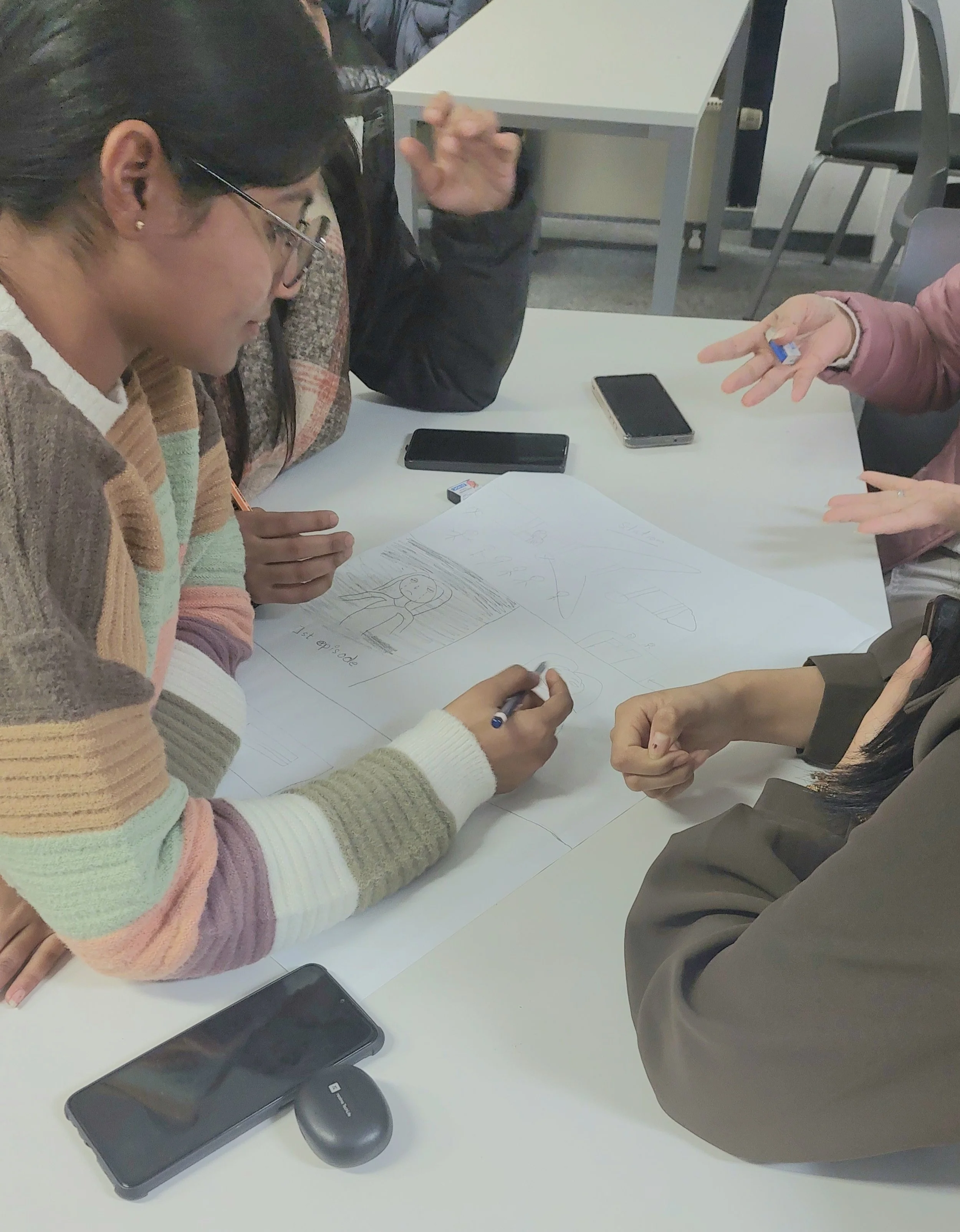
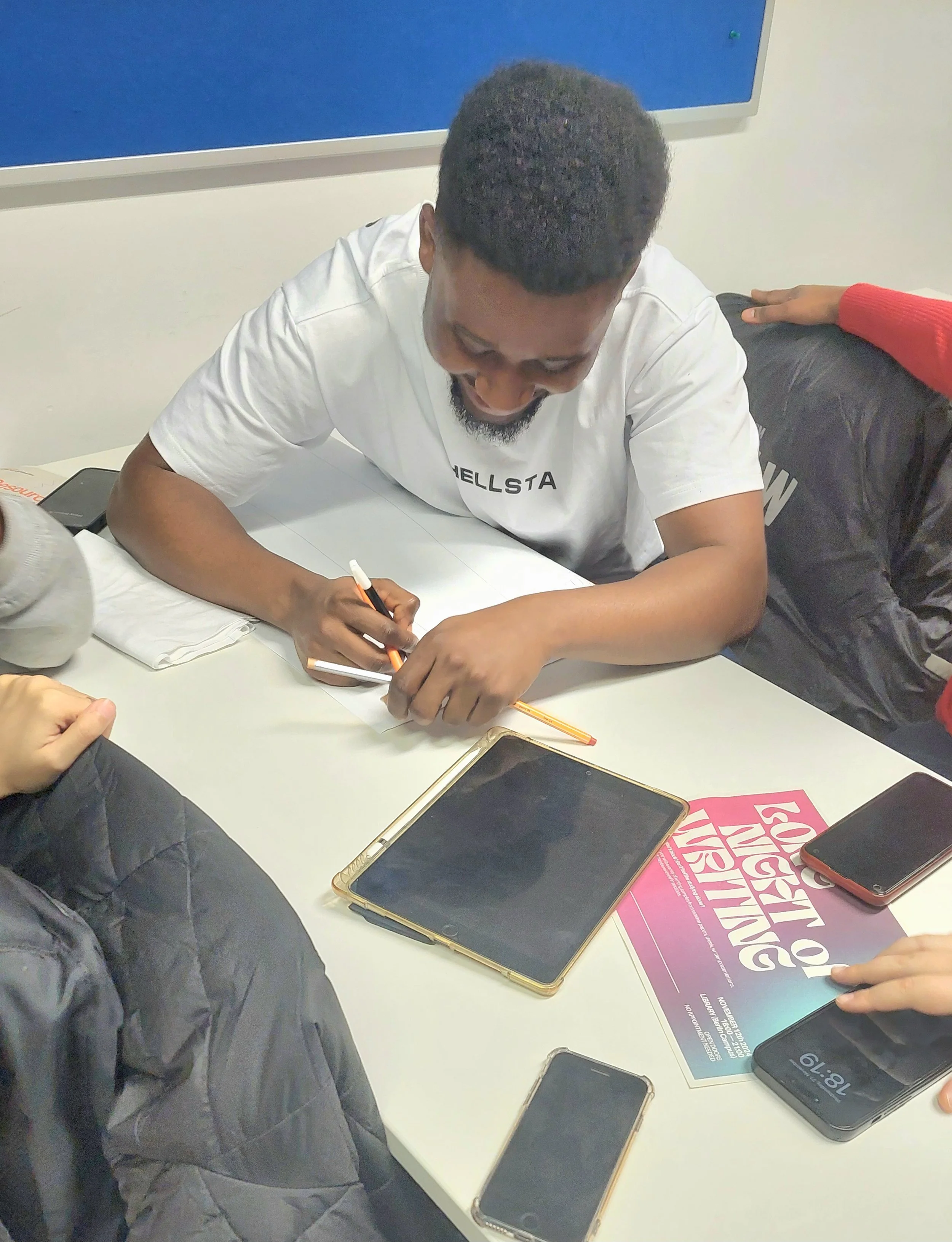
7 weeks of classroom observation & experiment. The first 4 weeks are to observe the classroom dynamic, get to know the students, and take note of how the interactions between teacher and students. The last 3 weeks are to develop activities, involve in action of design thinking, and survey to get feedback from students.
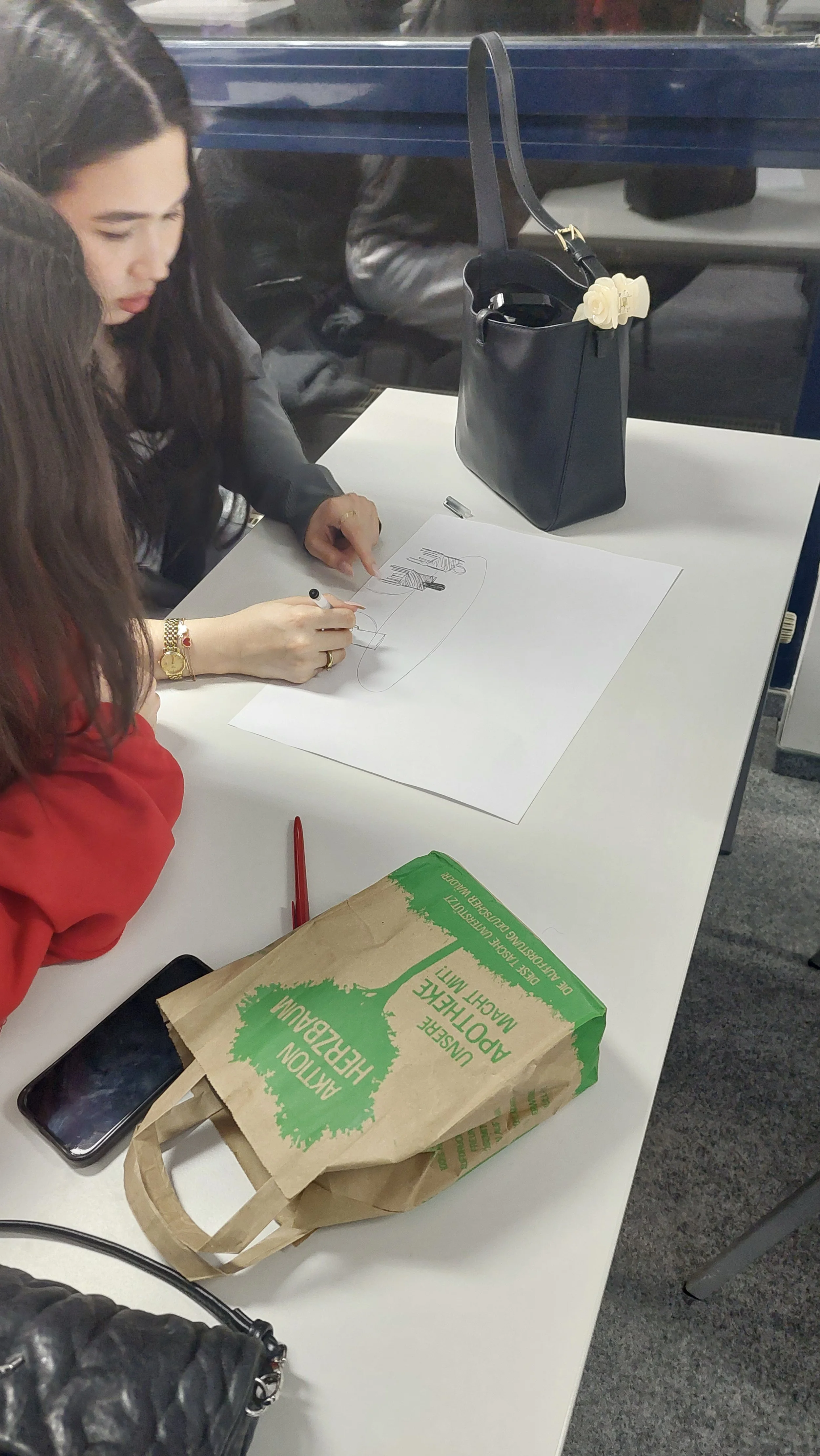
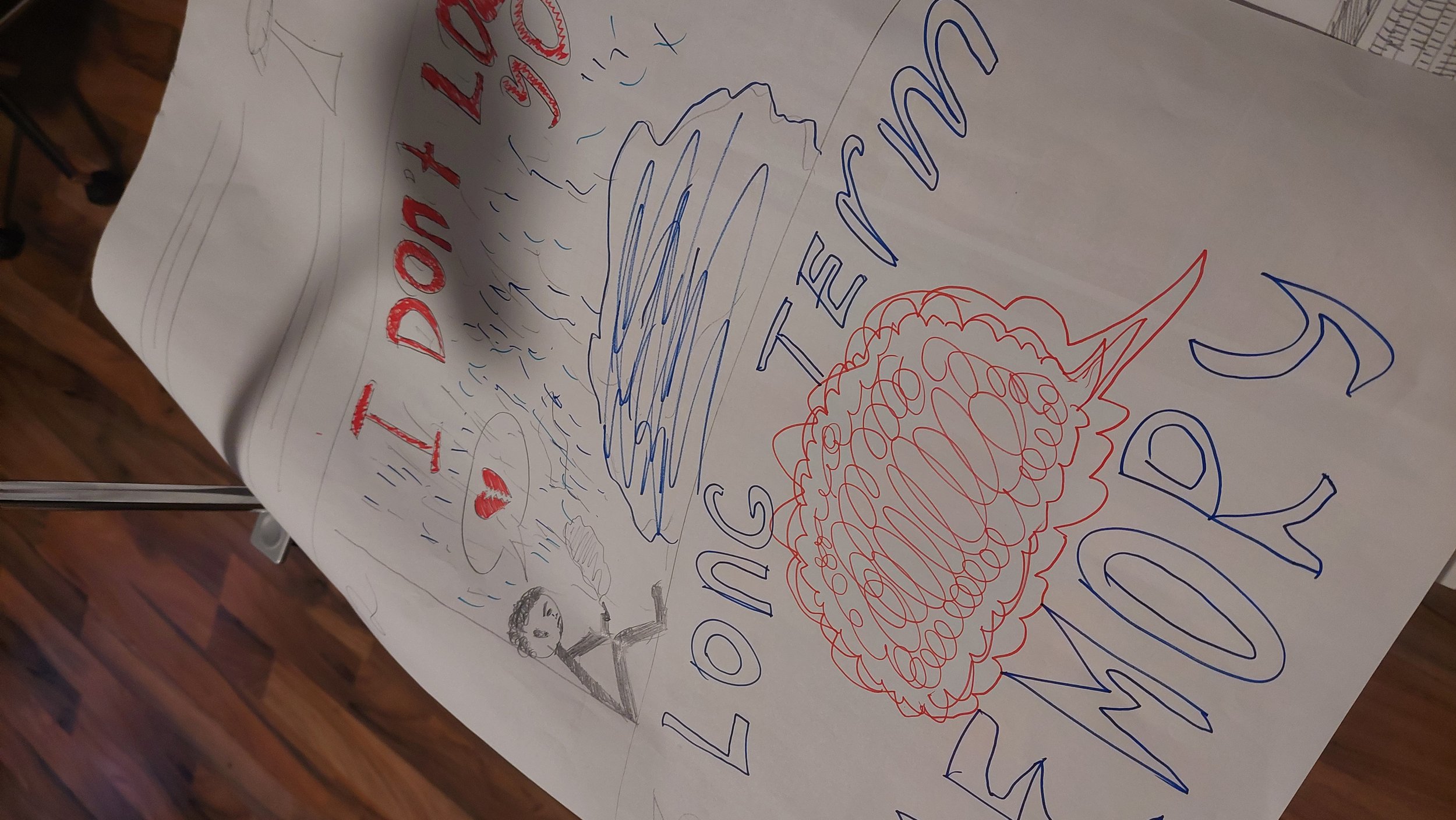
To maximise engagement and facilitate active collaboration, the session framework required participants to generate diverse text sources into visual expressions. This visual-first methodology eliminated reliance on heavy presentation text, directly driving critical thinking, cross-functional teamwork, and stakeholder confidence in communicating during live idea pitching.
4 Building the Final Product
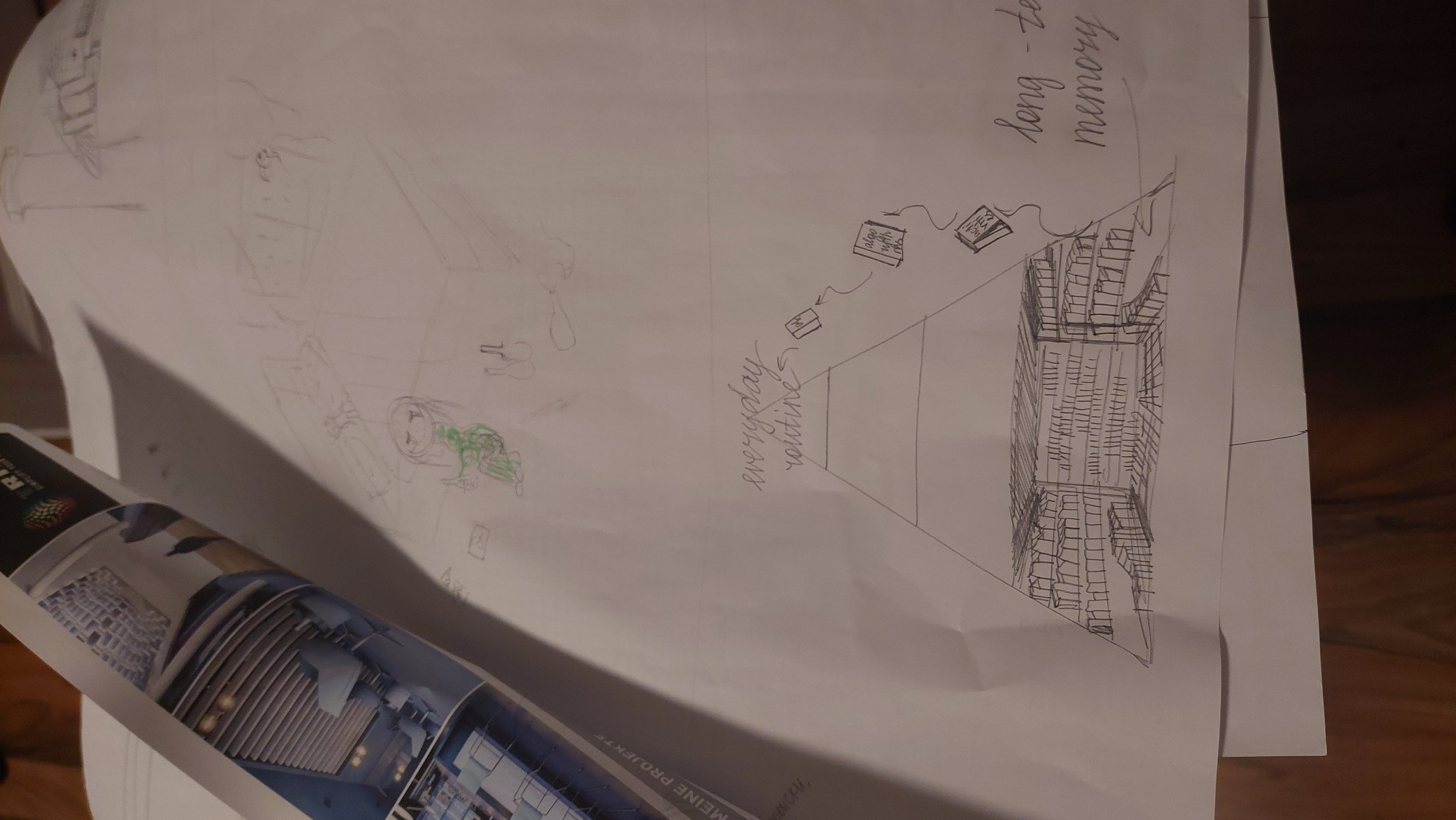
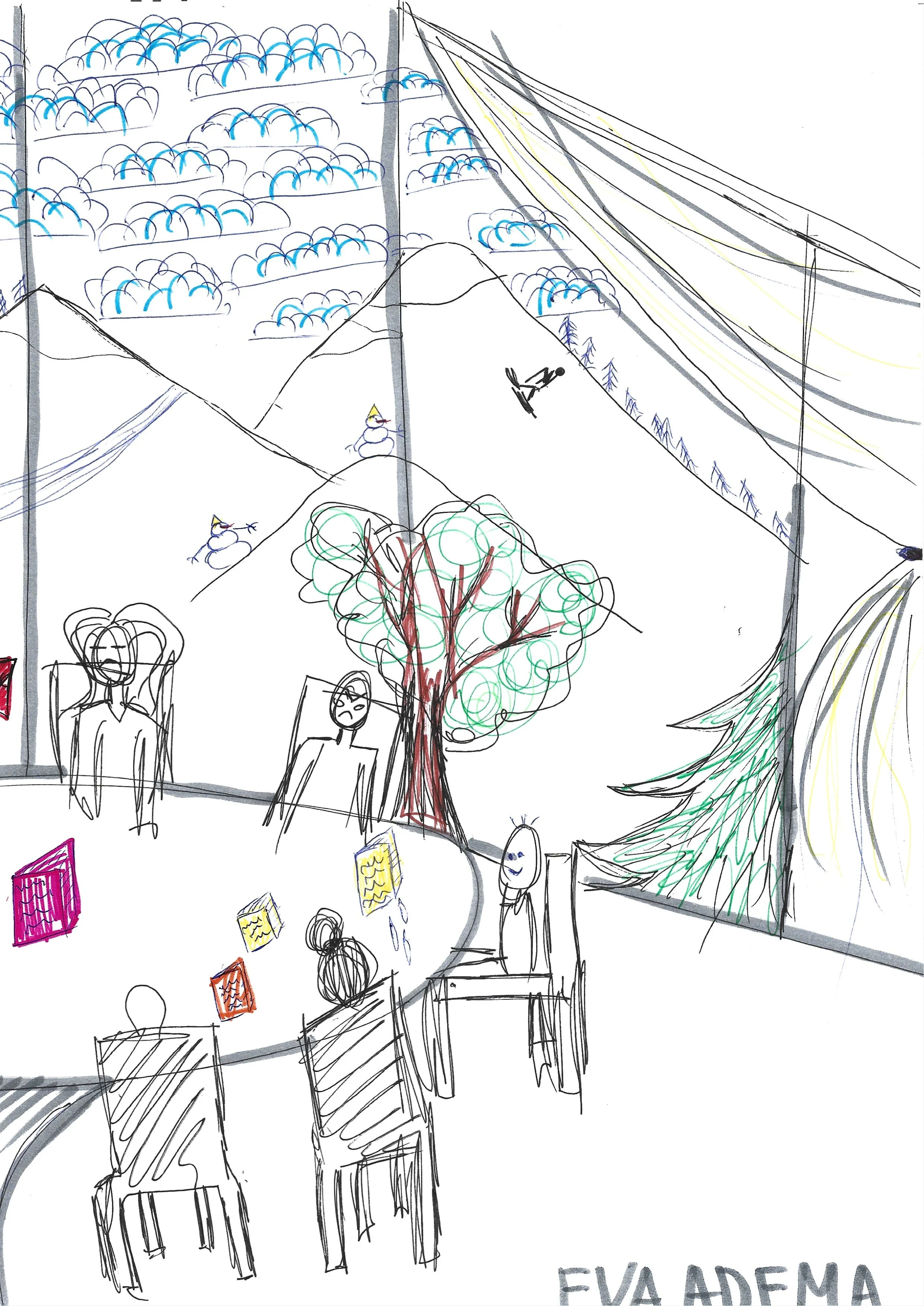
Transitioning from data collection to final prototyping required strict scope control. By establishing a definitive "data freeze" deadline, the project timeline was successfully protected from scope creep. This disciplined scheduling eliminated unplanned development tasks, allowing the process to focus entirely on refining the core visual execution and meeting the delivery baseline.
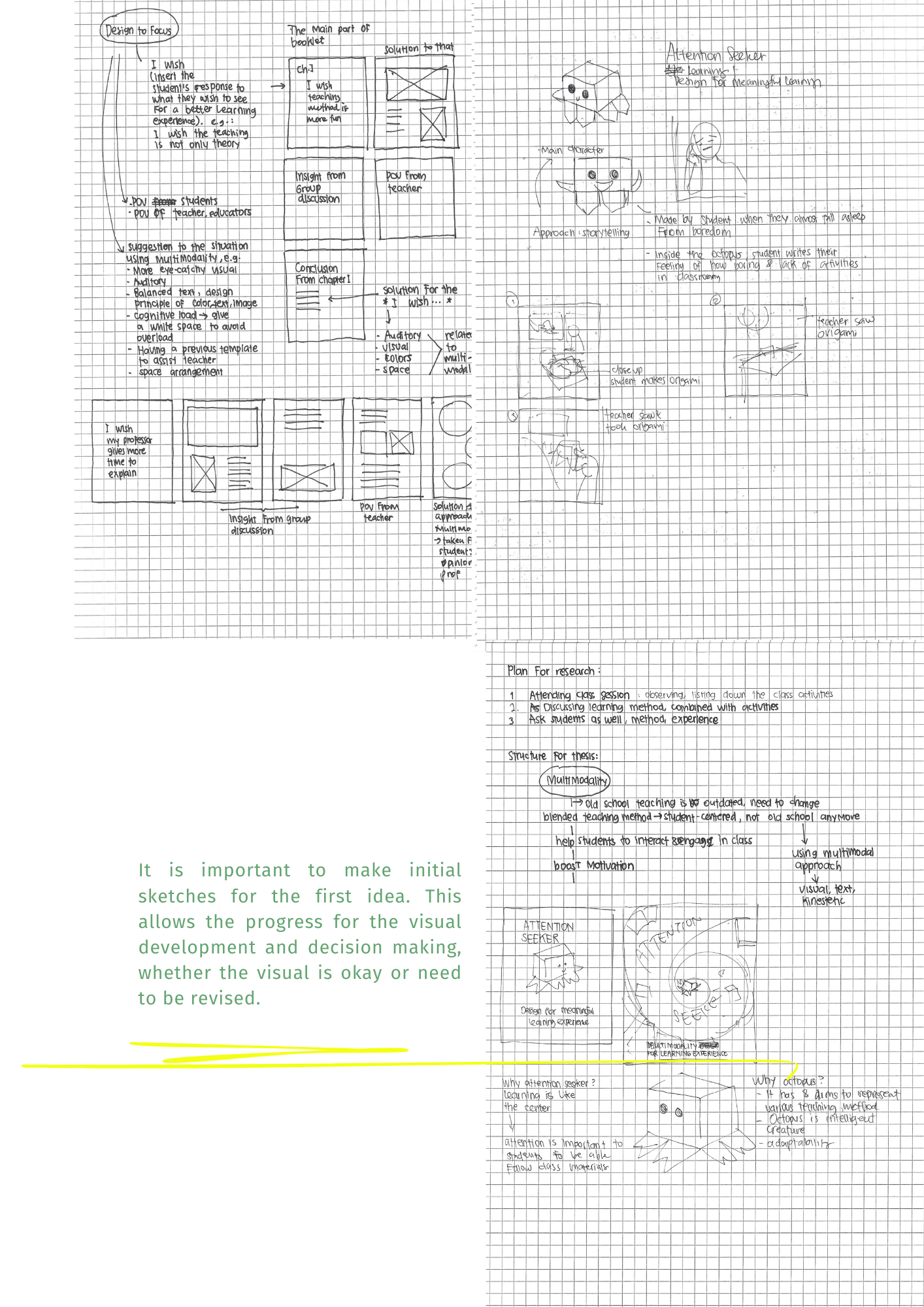
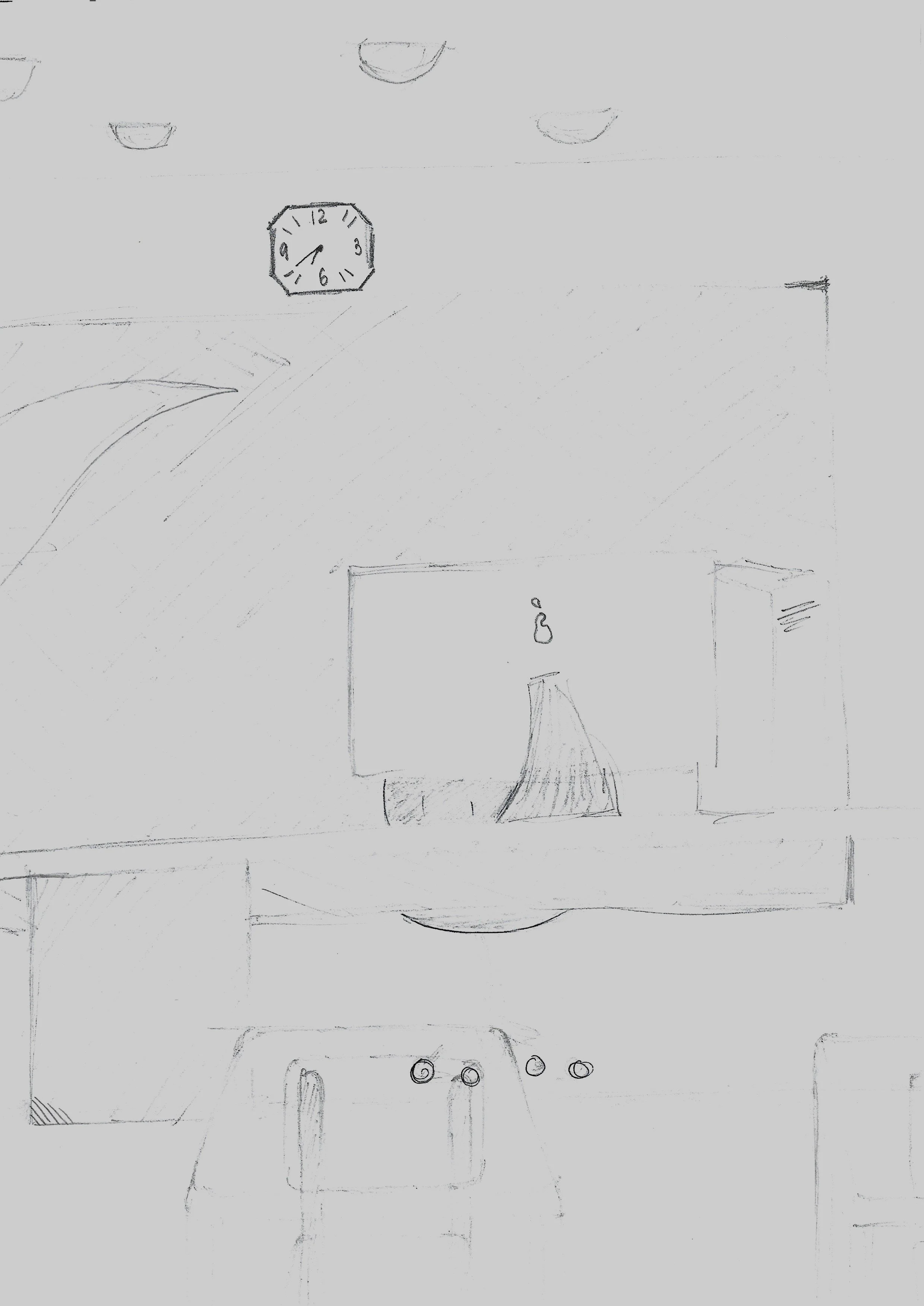
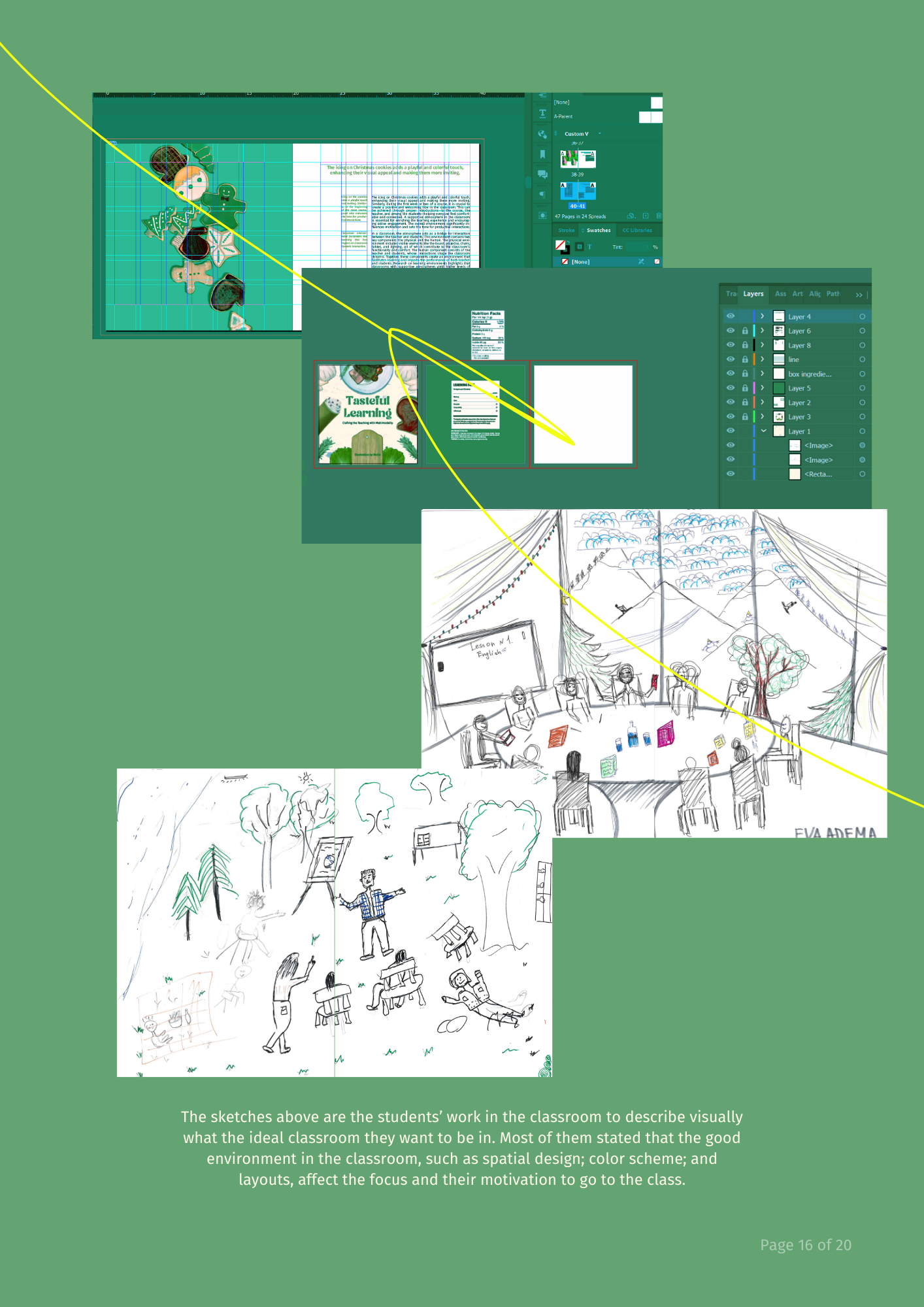
Scanned thesis plan and student’s drawing
5 Final Product
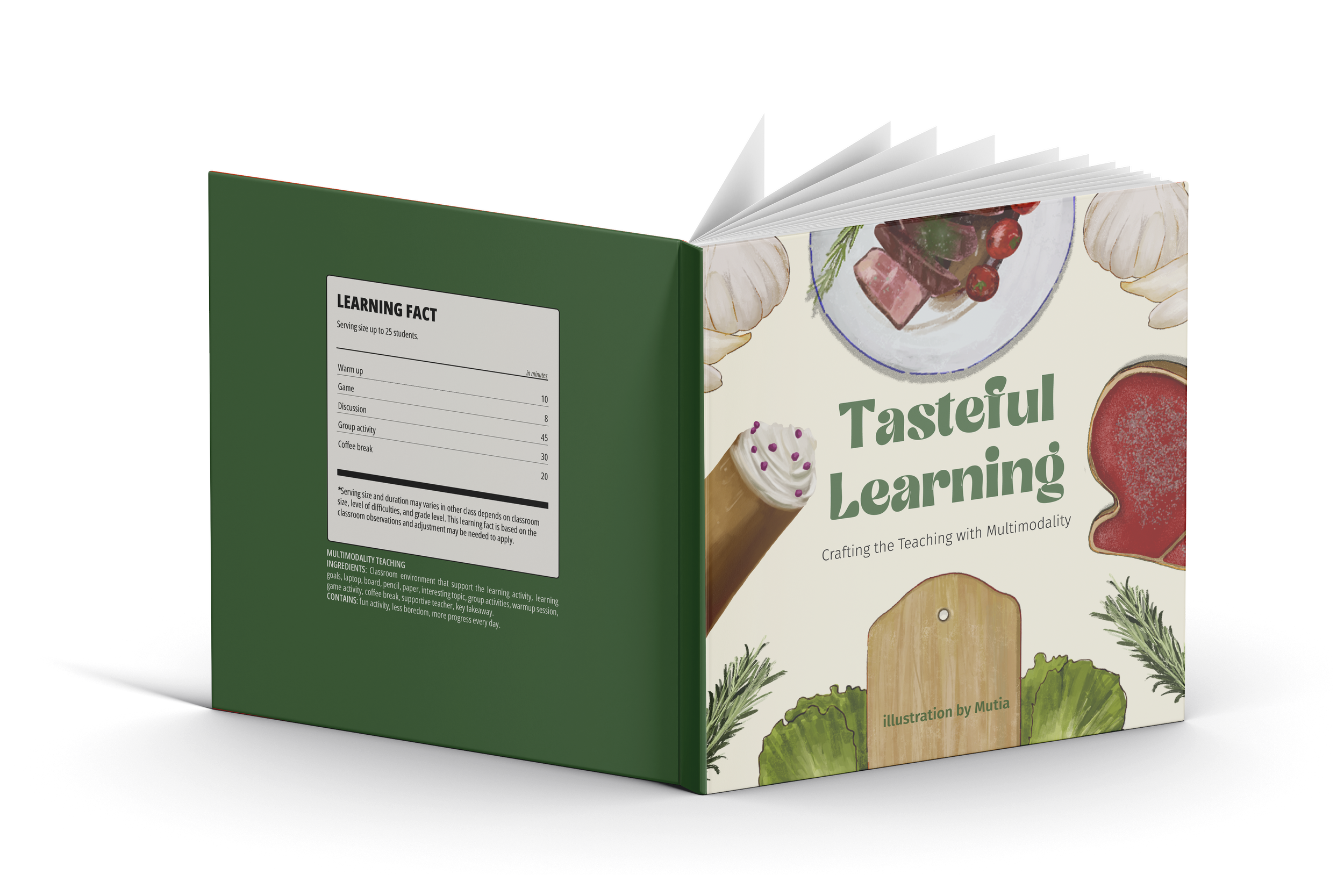


The final product is a printed book that compiled the data from live observation, literature research, and interview with the expert in the communication design & education.





Methodology & Communication Strategy:
Data Translation: Generated real-world student observation data (energy fluctuations and focus loss) into an intuitive, chronological food-service metaphor.
Engagement Strategy: Leveraged a dynamic, colorful visual direction to enhance cognitive retention and make instructional theory highly engaging.
Scalability & Versatility: Designed the final framework to be modular, allowing for seamless adoption in traditional education, corporate workshops, and professional presentations.
Lesson Learned
Proactive Communication: Prevent communication vacuums during high-workload phases by establishing an immutable stakeholder update cadence early.
Resource De-risking: Account for low stakeholder response rates by front-loading the procurement schedule and building a 20% timeline buffer for data collection.
Infrastructure Optimisation: Prioritise upfront tooling integration; utilising the appropriate technological ecosystem increases final production velocity by 30%.